

Meenakshi Amman Temple
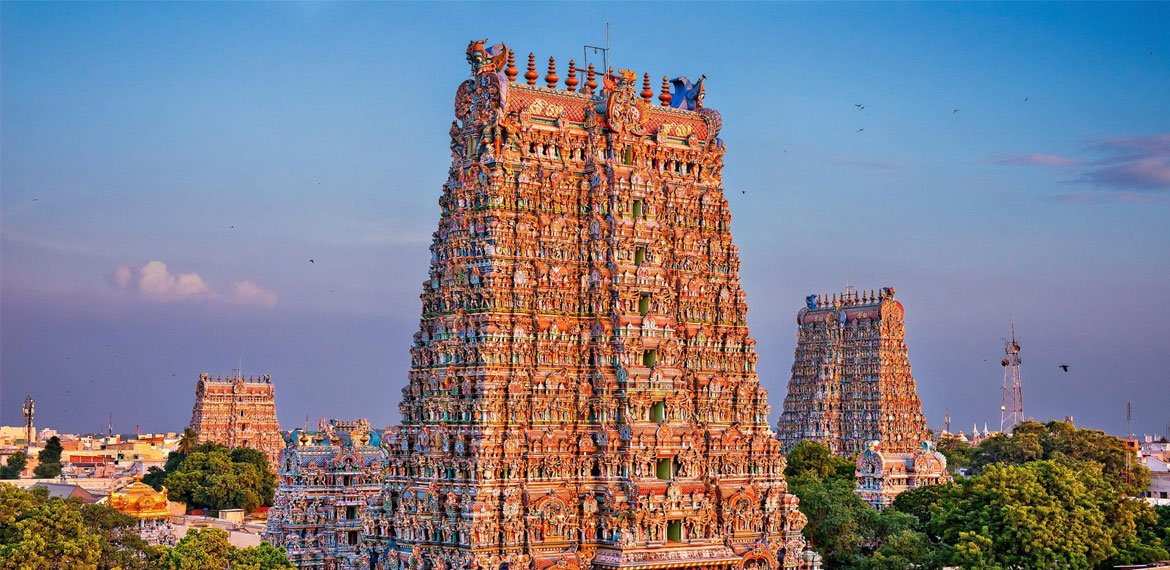
Meenakshi Amman Temple
Regular Opening Hours :
Morning Hours5:00 AM – 12:30 PM
Early morning hours (5:00 AM - 7:00 AM) are relatively less crowded and ideal for a peaceful visit experience.
Note: The temple may close briefly during midday for ritual preparations. Times may vary by 15-30 minutes depending on special days.
Evening Hours4:00 PM – 10:00 PM
Evening visits offer a different ambiance with lamp-lit corridors and evening rituals. The temple is particularly beautiful after sunset.
Note: Last entry is typically 30 minutes before closing time. Photography permissions may be limited during evening hours.
Special Timing Information
1. The temple remains open all 365 days of the year.
2. During major festivals, opening hours may be extended.
3. Special darshan tickets allow entry during otherwise closed periods.
4. Entry queue closure may begin 30-45 minutes before the stated closing time during peak season.
Daily Ceremonies
The temple follows a traditional schedule of six worship ceremonies (poojas) throughout the day. Witnessing these rituals offers insight into ancient traditions that have been maintained for centuries.
Morning Ceremonies
Thiruvanandal pooja (5:00 AM to 5:45 AM)
The deities are bathed as per ritual and then dressed up in decorative ornaments. The morning Aarti is performed.
Vilaa pooja (8:00 AM to 7:1 AM)
Morning ablutions and decoration of the deities with fresh flowers.
Midday Ceremonies
Kalasandhi pooja (10:30 AM to 11:20 AM)
Elaborate midday rituals followed by symbolic putting of deities to rest.
Maalai pooja (4:30 PM to 5:15 PM)
Reopening ceremony with musical accompaniment and fresh offerings.
Evening Ceremonies
Ardhajama Pooja (7:30 PM to 8:15 PM)
Evening worship with oil lamps and special offerings.
Palliyarai Pooja (9:30 PM to 10:30 PM)
Final ceremony of the day where the deities are ritually put to sleep.
Note: Times are approximate and may vary slightly. Special ceremonies may take place on certain days that alter this schedule
Special Festival Timings
1.Major Annual Festivals
2. Chithirai Festival
3. April-May
The temple's most significant 12-day festival celebrating the celestial wedding of Meenakshi and Sundareswarar.
Extended Hours: Open from 4:00 AM - 12:00 AM during this period.
Float Festival
January-February
A unique celebration where deities are taken on decorated floats around the Mariamman Teppakulam tank.
Special Hours: Temple remains open until 11:00 PM with ceremonies at the tank continuing late.
Avani Moola Festival
August-September
A 10-day festival commemorating the coronation of Lord Sundareswarar.
Modified Hours: Early morning ceremonies begin at 4:00 AM with special evening processions until 10:00 PM.
Best Time to Visit
The ideal time to visit is during the cooler, drier months from October to March. Temperatures during this period are pleasant, ranging from 20°C to 30°C (68°F to 86°F), making it perfect for sightseeing and exploring the city's many attractions. It is best to avoid the summer months (April to June) when the heat can be intense.
What to Wear
Madurai is a traditional and conservative city, so it's important to dress modestly, especially when visiting temples and other religious sites.
* For Temples: Both men and women should wear clothing that covers their shoulders and knees. Sarees, salwar kameez, or long skirts for women are ideal, while men can wear trousers or a traditional dhoti with a shirt. Shorts and sleeveless tops are not permitted inside many temple complexes.
* For General Sightseeing: Light, breathable cotton or linen clothing is highly recommended due to the hot and humid climate.
Introduction
Madurai, often hailed as the "Athens of the East," is one of India's oldest continuously inhabited cities. Located in the heart of Tamil Nadu, this vibrant city is a captivating blend of ancient history, rich culture, and spiritual devotion.
Known as the "Temple City," Madurai's skyline is dominated by the magnificent Meenakshi Amman Temple, a masterpiece of Dravidian architecture with towering, colorfully sculpted gopurams (gateways). This sacred complex, dedicated to Goddess Meenakshi and her consort, Lord Sundareswarar, is the city's soul and a must-visit for its intricate carvings, grand halls, and spiritual energy.
Beyond the temples, Madurai offers a sensory feast. Explore the bustling streets and bazaars, sample the city's famous street food, and immerse yourself in a place that truly never sleeps. Other highlights include the grandeur of the Thirumalai Nayak Palace, the serene Vandiyur Mariamman Teppakulam, and the historical significance of the Gandhi Memorial Museum.
The best time to experience Madurai's cultural and architectural wonders is during the pleasant winter months, from October to March, when the weather is ideal for sightseeing. A trip to Madurai is a journey through time, promising an unforgettable experience for every traveler.
A Glimpse into Madurai’s Ancient History
Madurai's history stretches back over two millennia, making it one of the world's oldest continuously inhabited cities. It was the ancient capital of the Pandya kings, a powerful dynasty that ruled southern India and patronized the famous Tamil Sangams, or literary academies, which played a pivotal role in the development of the Tamil language and literature. This rich past is also documented by Greek historians like Megasthenes and Roman trade records, which mention Madurai as a bustling hub for commerce and a key port for goods like spices and pearls.
The city's famous Meenakshi Amman Temple is a testament to this golden age, having been expanded and renovated over centuries by various rulers, including the Nayaks of Madurai, who added some of its most spectacular halls and gopurams. This enduring legacy continues to define its unique character, solidifying Madurai's status not just as a city, but as a cradle of civilization in the Indian subcontinent.
Architectural Marvels of the Temples
The Meenakshi Amman Temple is a breathtaking example of Dravidian architecture, a true masterpiece of ancient craftsmanship. Its most iconic features are the 14 towering gopurams, or gateway towers, that dominate the Madurai skyline. These massive structures are a vibrant tapestry of thousands of meticulously sculpted figures, depicting deities, mythological creatures, and scenes from Hindu epics. The southern gopuram is the tallest, soaring to over 170 feet.
Inside the sprawling complex, the architectural wonders continue with numerous pillared halls, known as mandapams.
Koodal Azhagar Temple is one of the 108 Divya Desams, or sacred abodes of Lord Vishnu. The temple, which dates back to the Sangam period, is dedicated to Lord Vishnu, who is known as Koodal Azhagar, "the beautiful one of Madurai." The temple features a unique three-tiered shrine where the deity is worshipped in a standing, sitting, and reclining posture.
Thiruparankundram Murugan Temple is a rock-cut temple carved out of a hill and is one of the Arupadaiveedu, the six sacred abodes of Lord Murugan. It is believed to be the place where Lord Murugan married Deivayanai, the daughter of Indra. The temple's architectural design is a blend of rock-cut and structural elements, with intricate carvings depicting mythological scenes.
Located on a scenic hill, Alagar Kovil, also known as Kallazhagar Temple, is another prominent Vishnu temple. The temple is surrounded by a fort and is famous for its intricate sculptures and the annual Chithirai Festival, where the deity travels to the Vaigai River in Madurai. It is one of the 108 Divya Desams and is set amidst the serene beauty of the Alagar Hills.
Cultural and Spiritual Treasures of the City
Madurai, a city where time-honored traditions and spiritual heritage are deeply ingrained, offers a rich tapestry of cultural and spiritual treasures. At its heart, the city is defined by its deep spiritual significance, with a history steeped in Hindu mythology. Legend holds that the city was created from the sweet drops of nectar that fell from Lord Shiva's hair, a story that gives Madurai its name and spiritual foundation. This divine connection is celebrated through numerous festivals that bring the entire city to life.
The most famous of these is the Chithirai Festival, a spectacular 12-day event that commemorates the celestial wedding of Goddess Meenakshi and Lord Sundareswarar. The festival draws millions of devotees and is a vibrant showcase of religious rituals, music, dance, and a grand procession. Another significant event is the Float Festival (Theppa Thiruvizha), where the deities of the Meenakshi Amman Temple are adorned and taken on a magnificent procession on a brightly lit float in the Vandiyur Mariamman Teppakulam pond.